

insurance partners

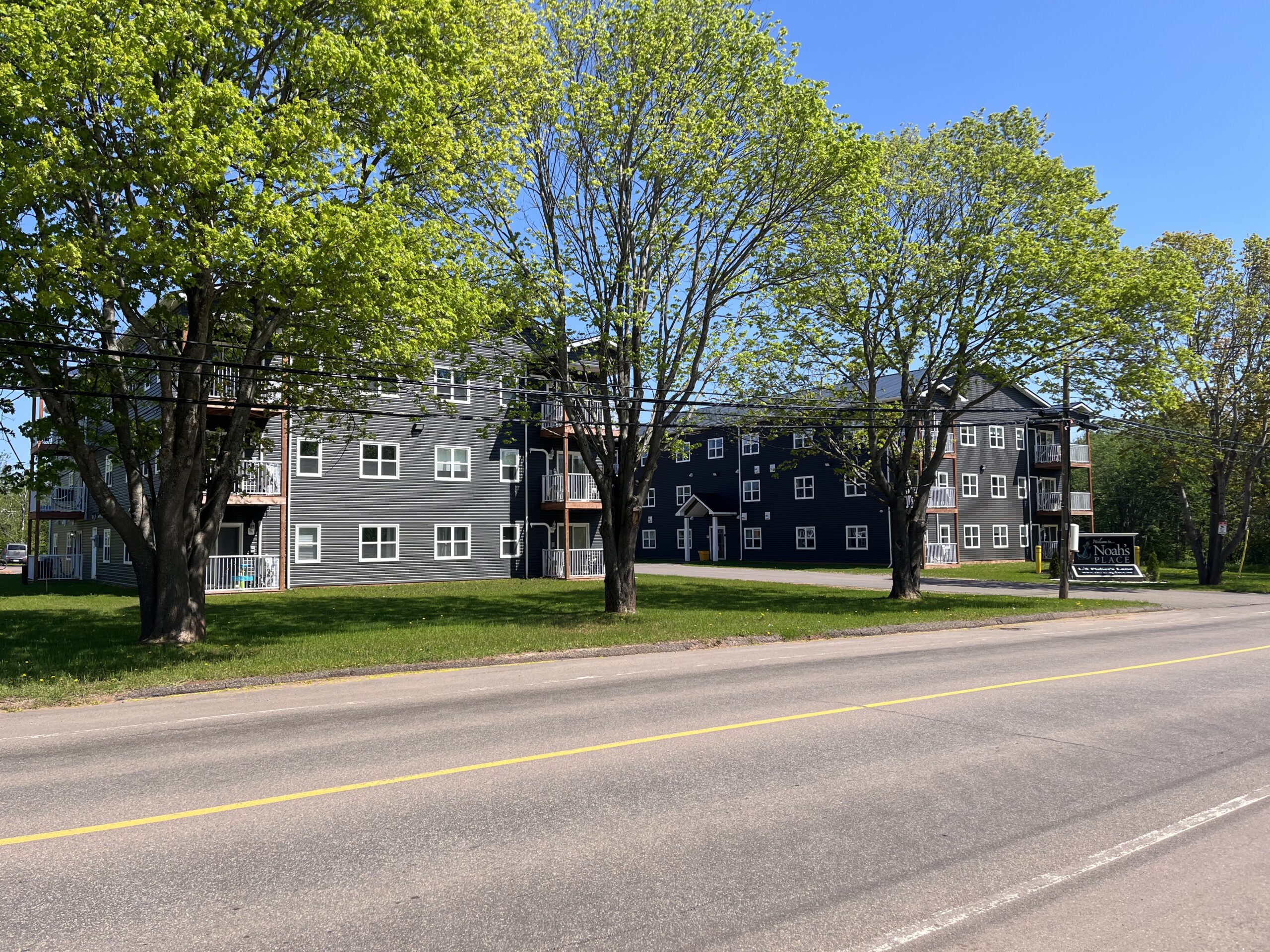
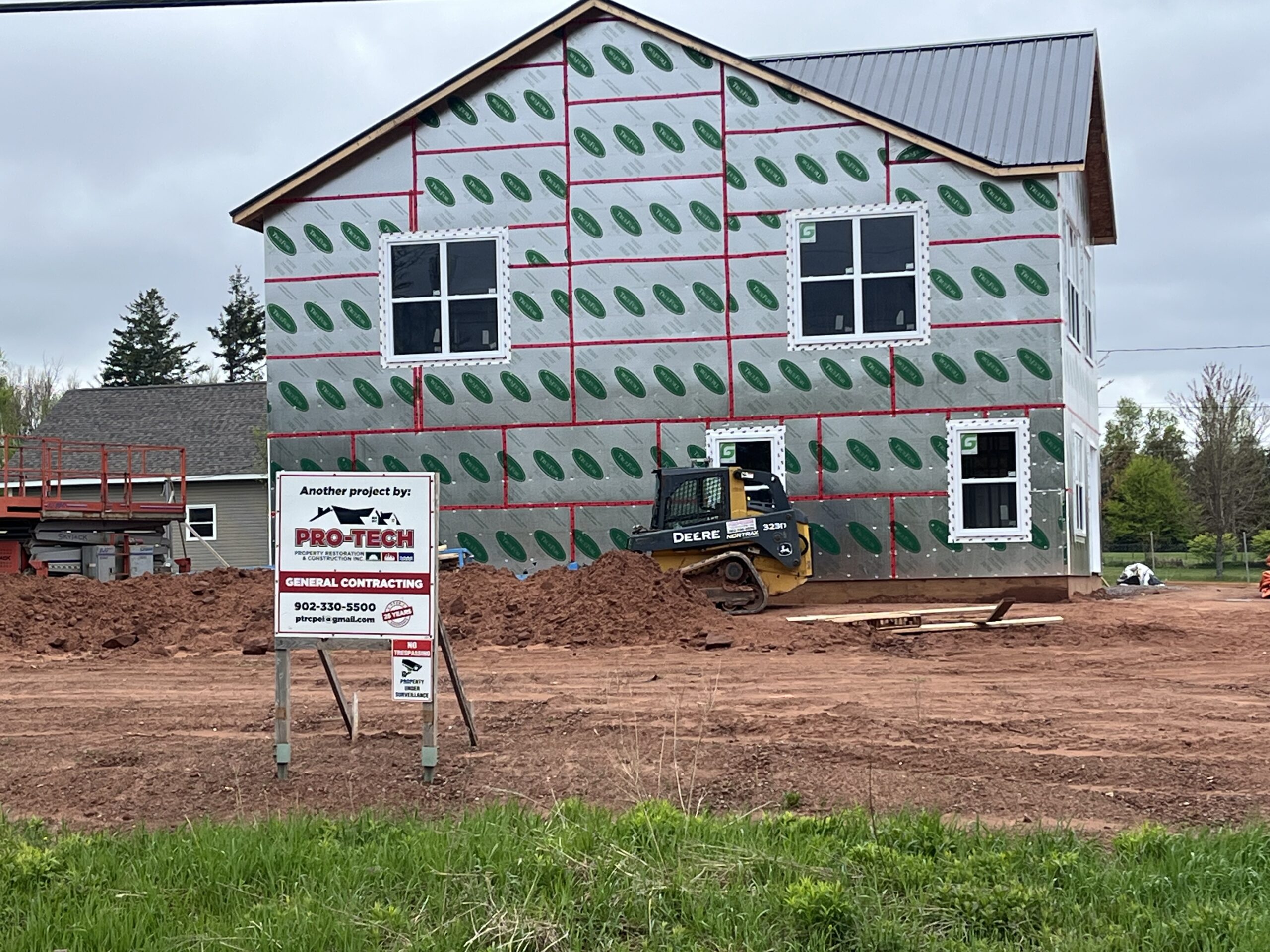
At Pro-Tech, we collaborate with leading insurance providers to guarantee a seamless and hassle-free restoration experience for our clients. Our strong partnerships with these companies allow us to expedite claims, deliver precise documentation, and engage directly with adjusters to eliminate delays. This strategic collaboration ensures that property owners receive unmatched service and support, from the initial damage assessment all the way through to complete restoration. Together, we are devoted to restoring peace of mind when it matters most, empowering you to move forward with confidence.

Q&A

Having an insurance claim can be stressful. There are so many unknowns and uncertainties. At Pro-Tech, we have the professionals and knowledge to help you navigate this process. Having the answers to your questions has helped Pro-Tech become one of the go-to service companies for all your property claims.  

Q. Do I have to use the people the insurance company sent out?

A. No, as an insurance company client, you have the final say on who comes into your home and does the work. Insurance companies have preferred service providers with whom they have arranged to look after their clients, but the final decision is yours. That said, certain guidelines must be followed by the company or person you choose, and each insurance company will provide you with their conditions.

Q. What does it take so long to get answers from an insurance company? Is there any way to make it move along faster?

A. Unfortunately, No. The men and women who are working for these companies are trying their best to juggle all requests. Sometimes, due to a new emergency claim coming across their desk or another claim that is taking more of their time, things can become backed up. It can be frustrating when looking for answers but one thing I can promise you is: they will reply as soon as they can.

Q. Can I change or add something to the claim?

A. Changes can be made to the claim, but like most things, they come with conditions. First, before work begins, there will be an agreed-upon scope of damages and repairs required, which will be done by your service provider and agreed upon by the insurance company. Anything above that will be at the client’s cost. A great rule of thumb is to always have your wishes and expectations documented by either email or text, and you should always include your insurance representative. This way, everyone is informed and there is no awkward situation at the end of the repair.

Q. Will the insurance company reimburse me for the full value of my property?

A. An insurance company typically will not reimburse you the full value of your property unless:

  1. You have a replacement cost policy – This covers the cost to replace the damaged or lost property with new items of similar kind and quality, without deducting for depreciation.
  2. Your claim is approved up to your policy limits – Even with replacement cost coverage, you’ll only be reimbursed up to the coverage limits stated in your policy.
Q. What if I have additional living expenses after a disaster (e.g., temporary housing)?

A. If you have Additional Living Expenses (ALE) coverage as part of your homeowners insurance (which most standard policies include), your insurance should cover reasonable extra costs you incur if a covered disaster makes your home uninhabitable.

ALE typically covers:

  • Temporary housing (hotels, short-term rentals)
  • Increased food expenses (e.g., eating out because you can’t cook)
  • Laundry, storage, and transportation costs related to displacement
  • Pet boarding if pets can’t stay with you

Important caveats:

  • You’re only reimbursed for expenses above and beyond your normal living costs.
  • Coverage is limited by time and/or dollar amount, depending on your policy.
  • The event must be a covered peril (e.g., fire, storm—not flood unless you have flood insurance).

You’ll need to keep receipts and detailed records of all expenses to be reimbursed.

Q. What is “replacement cost” vs. “actual cash value” in a homeowners claim?

A. In a homeowners insurance claim, “replacement cost” and “actual cash value (ACV)” refer to two different methods insurers use to determine how much money you’ll receive for damaged or lost property

 Replacement Cost (RCV):

  • Pays the full cost to replace your damaged or destroyed item with a new one of similar kind and quality, without deducting for depreciation.
  • You must usually actually replace the item to get the full amount.
  • Often paid in two parts:
    1. ACV first, then
    2. The rest (the “recoverable depreciation”) after you provide proof of replacement.

Example:
Your 5-year-old TV is destroyed in a fire. A new one costs $1,000. With replacement cost coverage, you’ll eventually get the full $1,000 (minus deductible).

 Actual Cash Value (ACV):

  • Pays the current market value of your item, which is replacement cost minus depreciation.
  • This means you get less for older items.

Example:
Same 5-year-old TV. Even though a new one costs $1,000, depreciation may lower its value to $300. With ACV coverage, you’d only get $300 (minus deductible).


Have a question we haven’t covered? We’re here to help! If you don’t see the information you’re looking for, please don’t hesitate to reach out — we’d be happy to provide the answers you need.